

 Buy Now with
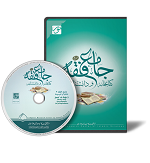
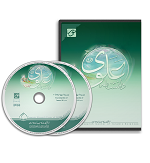

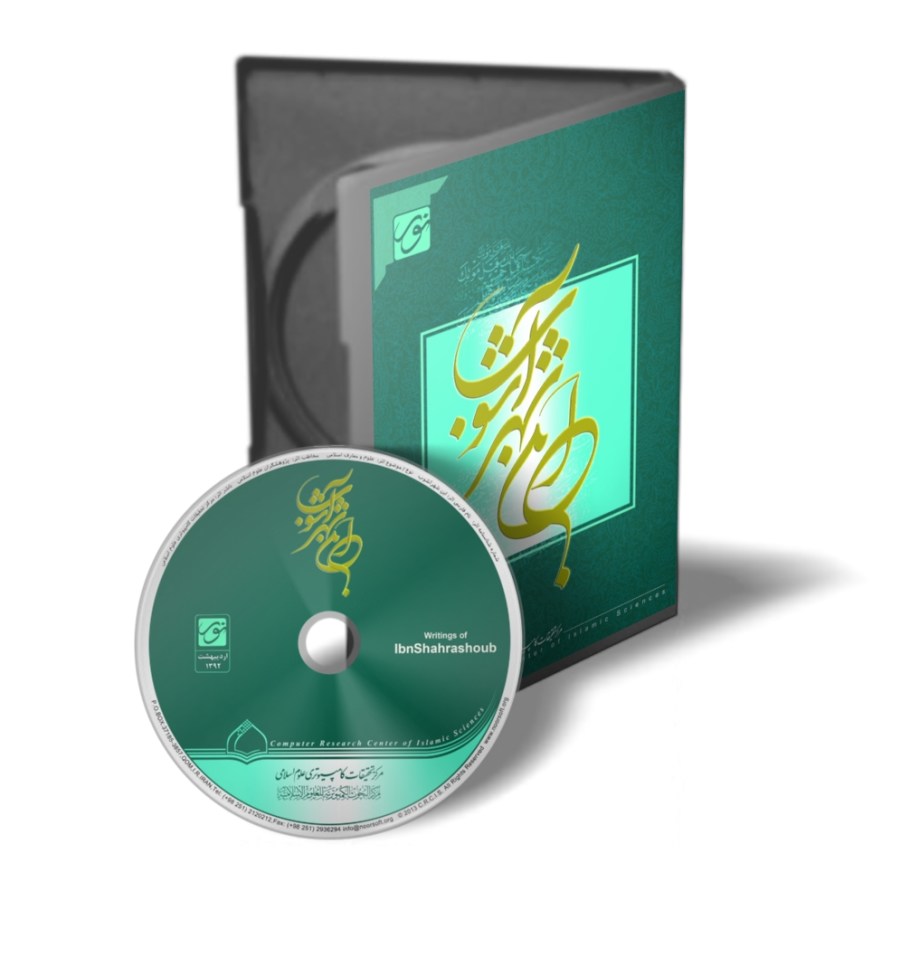
About Writings of Ibn Shahrashoub
Biography of Ibn Shahrashub
History bears witness that the scholars of Shia Islam have always served as luminous guides for Muslims at large, and this enlightenment has always been accompanied by jihad. They carried the science of resistance against ignorance, oppression, and cowardice upon their shoulders, illuminating the dark, cold, and fearful nights of tyranny. Each, according to their capacity, brought light and warmth, burned a corner of darkness, strengthened hearts, and enlightened eyes. Among them, figures like Imam Khomeini (May his soul be sanctified) ignited the entire darkness with their comprehensive struggle.
In the 6th century AH, a polymath scholar emerged in the world of Shia Islam whose profound knowledge astonished all, earning him the title of *Sheikh al-Ta'ifah* (the Leader of the Sect) of his time. Both supporters and opponents praised him, and some compared his status among Shia to that of Al-Khatib al-Baghdadi among the Sunnis. This great figure is **Ibn Shahrashub**.
• Birth:
Muhammad ibn Ali ibn Shahrashub ibn Kiyaki (Abu al-Nasr) al-Sarawi al-Mazandarani was born in 489 AH in Sari, Mazandaran. He memorized the Quran by the age of eight. Although his primary expertise was in Hadith—being best known as the author of *Al-Manaqib* and *Al-Mathalib*—he was also deeply versed in linguistics, literature, and exegesis, which is why he is also highly respected among Sunni scholars.
• Scholarly Travels:
He traveled to Khurasan, and the cities of Khwarazm, Nishapur, and Sabzevar. After a conflict with the governor of Mazandaran, he left his homeland for Baghdad during the reign of Al-Mustakfi (530–555 AH). On his way, he likely met scholars of Ray, Kashan, Isfahan, Hamadan, and other cities.
He resided in Baghdad for several years, then migrated to Mosul during the reign of Al-Mustadi (566–574 AH), and later settled in Aleppo (Syria) under the rule of the Shia-leaning Hamdanid dynasty. He passed away and was buried there.
• Teachers:
- Ahmad al-Ghazali (d. 520 AH)
- Jar Allah al-Zamakhshari (d. 538 AH)
- Fadl ibn Hasan al-Tabrisi, author of *Majma' al-Bayan* (d. 548 AH)
- Ali ibn Zayd ibn al-Husayn al-Bayhaqi, known as Ibn Funduq, author of *Tarikh Bayhaq* (d. 565 AH)
- Muwaffaq ibn Ahmad, the preacher of Khwarazm (d. 568 AH)
- Abu al-Husayn Sa'id ibn Hibat Allah, known as Qutb al-Rawandi (d. 573 AH)
- Abu Abd Allah Muhammad ibn Ahmad al-Natnzi al-Isfahani, author of *Al-Khasa'is al-Alawiyya* (Sayyid ibn Tawus cited extensively from this work in *Al-Yaqin*)
- Sayyid Nasih al-Din Abu al-Fath Abd al-Wahid al-Tamimi al-Amidi, author of *Ghurar al-Hikam wa Durar al-Kalim* (d. 550 AH)
- Abu Mansur Ahmad ibn Ali ibn Abi Talib al-Tabrisi, author of *Al-Ihtijaj* (d. 588 AH)
- Abu al-Futuh al-Razi, author of *Rawd al-Jinan wa Ruh al-Jinan* (d. 554 AH)
- Fattal al-Nishaburi, author of *Rawdat al-Waizin* (d. 508 AH)
• Masters who granted him Ijazah (Authorization):
- His grandfather, Sheikh Shahrashub ibn Kiyaki al-Mazandarani, a student of Sheikh al-Tusi (AS)
- His father, Sheikh Ali ibn Shahrashub
- Abu Ja'far Muhammad ibn Hasan al-Shuwwani
- Muhammad ibn Ali ibn Muhassin al-Halabi
- Rukn al-Din Abu al-Hasan ibn Ali ibn Abd al-Samad al-Sabzawari al-Nishaburi
- Muhammad ibn Ali ibn Abd al-Samad al-Sabzawari al-Nishaburi, author of *Bisharat al-Mustafa* (d. 553 AH)
- Abu al-Fath Ahmad ibn Ali al-Razi
- Abd al-Jalil al-Razi al-Qazwini, author of *Al-Naqd* (d. 560 AH)
- Sayyid Abu al-Fadl Da'i ibn Ali ibn Hasan al-Husayni
- Al-Fadil Abu al-Mahasen Masud ibn Ali ibn Muhammad al-Sawwani
- Al-Ustadh Abu al-Qasim ibn Kamaih
- Al-Ustadh Abu Ja'far ibn Kamaih
- Husayn ibn Ahmad ibn Tahhal al-Muqaddadi
- Muhammad ibn Fadl ibn Hasan al-Tabrisi
- Sayyid Muntaqa ibn Abi Zayd ibn Kiyabaki al-Kajji al-Gorgan
- Sayyid Abu al-Samsum (Abu al-Wadah), Dhul-Fiqar ibn Muhammad ibn Ma'bad ibn Hasan
- Qadi Imad al-Din Abu Muhammad Hasan al-Istarabadi
- Sayyid Mahdi ibn Abi Harb al-Husayni
- Zayd ibn Husayn al-Bayhaqi (father of the author of *Tarikh Bayhaq*), author of *Hilyat al-Ashraf*
- Sayyid Fadl Allah al-Rawandi, author of *Nawadir* (d. 570 AH)
• Students:
- Sayyid ibn Zuhra al-Halabi, author of *Ghunyat al-Nuzu’* (d. 585 AH)
- Ibn Idris al-Hilli, author of *Al-Sara’ir* (d. 598 AH)
- Ibn Bitriq al-Hilli (d. 600 AH)
- Ibn Abi Tayy al-Hilli, author of *Ma’adin al-Dhahab fi Tarikh Halab* (d. 630 AH)
- Jamal al-Din Abu al-Hasan Ali ibn Ja’far ibn Shu’ra al-Hilli al-Jam’i
• Major Works:
- Manaqib Al Abi Talib
- Mathalib al-Nawasib
- Al-Makhzun al-Maknun fi 'Uyun al-Funun
- Al-Tara’iq fi al-Hudud wa al-Haqa’iq
- Ma’idat al-Fa’idah
- Al-Mithal fi al-Amthal
- Ma’alim al-Ulama’
- Al-Asbab wa al-Nuzul 'ala Madhhab Al-Rasul
- Al-Hawi
- Mutasabih al-Qur’an wa Mukhtalifuh
- Al-Awsaf
- Al-Manhaj
• Death:
Ibn Shahrashub passed away in Aleppo and was buried on the slopes of a mountain called "Al-Jawshan." This site is in fact a cemetery for prominent Shia scholars in Aleppo. According to the Shia of Aleppo, this location is also believed to be the burial place of a martyr named "Muhassin Saqat," son of Imam al-Husayn (AS).
About the Program
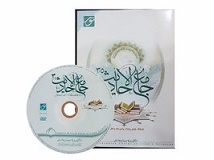
This software includes the following sections: Display, Search, Related Books, and Quran.
1. Display
This section contains 3 book titles in 7 volumes. Key features include the ability to filter displayed sources, access to tree-based and curated indexes, and integration of 10 dictionary references to aid research during study, accessible via the "Dictionary" option. Additional tools include text annotation features such as highlighting, footnoting, indexing, and tagging, as well as right-click search in texts, dictionaries, and the Quran.
2. Search
This section allows high-precision, non-repetitive word listing with individual or combined searches across the program’s database. It supports various operators for searching within texts or indexes separately, and enables dynamic indexing using wildcards (* and ?), with the ability to combine groups or words using logical operators.
3. Quran
The program provides access to the original Quranic text, commentaries, and translations. Users can refer to the Quran, conduct research, and perform searches as needed. Quranic translations are also available for reference.
4. Tools
Includes printing texts, transferring book content and indexes to notes, dictionary access, and user guide.
5. Settings
Includes 7 keyboard layouts, 7 font groups, setting the save path for personal research (highlighting, notes, indexing), and language selection (Persian, Arabic, English). Note: language change affects only the user interface, not the language of book texts.
Insha’Allah, in version 2, the text or images of the Beirut edition of *Al-Manaqib* and the 12-volume Iranian edition will be added.

Share your thoughts with other customers