
 Buy Now with


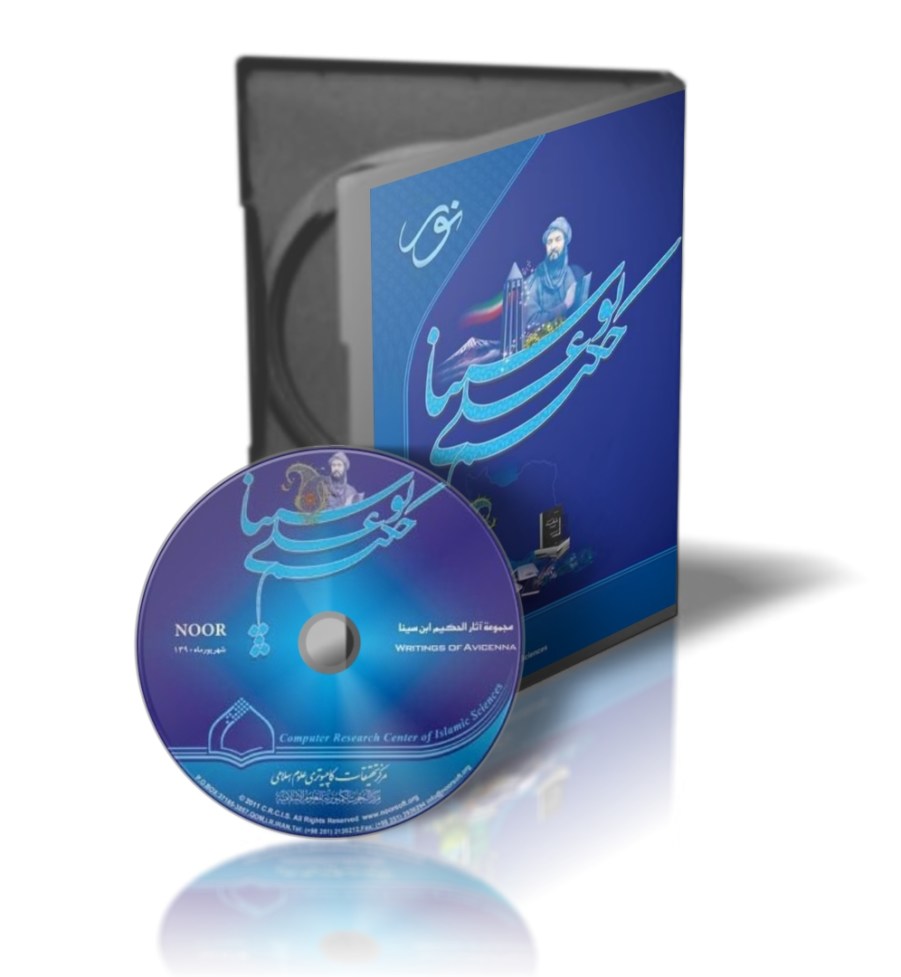
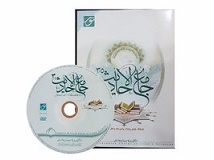
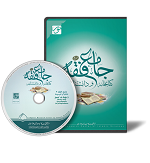
About Clone of Writings of Avicenna 2
"Despite his turbulent and eventful life, Avicenna (Ibn Sina) was a prolific thinker and writer. What remains of his vast and varied writings represents an active and dynamic mind that seemingly never ceased its activity and creativity, even under the most difficult and exhausting conditions. His talent for learning and memorizing what he read and studied was legendary among all... His powerful memory also made the task of authorship easy for him" (The Great Islamic Encyclopedia, Vol. 4, p. 6).
To honor the efforts of this wise scholar, the Islamic Sciences Computer Research Center previously produced software containing his collected works and made it available to enthusiasts. However, considering certain shortcomings in that version, the production of a second version was placed on its agenda.
Introduction to the Program
This software consists of the following sections:
1. Display
Among the capabilities of this section is the ability to select a scope for displaying chosen sources. Access to tree-view and selective indices of books is also included. To facilitate research while studying sources, ten dictionary titles have been made available to researchers in this section, accessible via the "Dictionary" option.
Other features of this section include the "Text Tools" (Research), which encompass highlighting, marginalia (footnoting), indexing, and bookmarking. It also offers research capabilities such as searching within books, dictionaries, and the Quran using the right-click menu.
2. Search
A key feature of this section is the ability to view a non-repetitive list of words with very high precision, allowing for individual and combined searches within the dataset available in the software. The use of various operators during searches in the text or source indices separately, as well as index generation using wildcards (* and ?) in different groups and combining these groups or their words using various operators, are also capabilities of this section.
3. Related Books
Through efforts made in this section of the software, a link has been established between the main texts and their commentaries/explanations.
4. Quran
In the design of this software, alongside access to original texts, commentaries, and translations, users can refer to the Holy Quran and conduct research and searches within it if needed. Additionally, the ability to view the translation of the Quran is available to users in this section.
5. Tools
This section includes printing texts, transferring book indices and texts to notes, accessing the dictionary, and the help guide.
6. Gallery (Negar-Khaneh)
This section contains a summary of the "Ibn Sina" TV series broadcast by the Islamic Republic of Iran Broadcasting (IRIB).
7. Encyclopedia of Terms (Farhang-Nameh)
In this section, philosophical and medical terminologies mentioned in Ibn Sina's works are explained. The encyclopedia includes three books clarifying Persian terms, nine books clarifying Arabic terms, and two books clarifying French and English terms.
8. Features
This includes seven types of keyboards, seven font groups, the ability to specify a path for personal research (highlighting, marginalia, indexing, and bookmarking), and language selection (Persian, Arabic, or English). Note that in the language section, only the user interface changes; the language of the book texts themselves remains unchanged.
Finally, we ask God Almighty for everyone's increasing success.
The Islamic Sciences Computer Research Center requests esteemed users to assist us in improving the quantity and quality of this program through their constructive criticisms and suggestions.
Sources
The Great Islamic Encyclopedia, supervised by Kazem Musavi Bojnordi, Publisher: Center for the Great Islamic Encyclopedia, 1st Edition: Tehran, 1991 (1370 SH), 2nd Edition: Tehran, 1998 (1377 SH), Vol. 4, p. 6, Entry: Ibn Sina, by Fathollah Mojtabai.

Share your thoughts with other customers